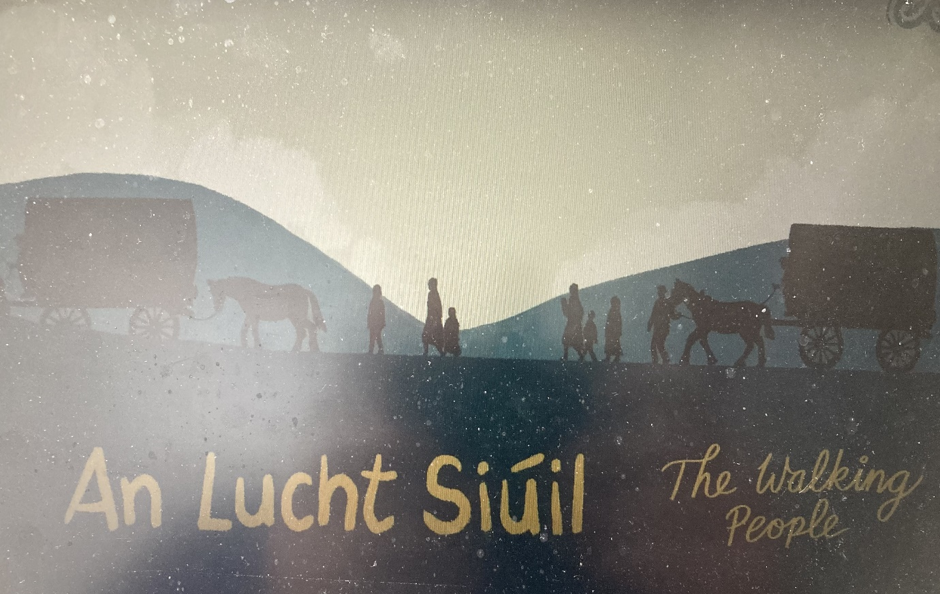
The Irish Traveller community (ITC) is a long-established, close-knit affiliation of families and wider inter-connected members consisting of small groups who have historically led an itinerant existence. The origins of Irish Travellers are uncertain with much of its history being orally recorded and passed through generations, however religious and cultural events have historically and remain the catalyst for large gatherings of these families/clans to celebrate the culture that connects being a member of this community.
This report will assess the concept of community and how the ITC has evolved and continues to transform based around its interactions with wider society, for the purposes of this report when referring to the ITC, Gov.UK (2022) define it as:
“The term Gypsy, Roma and Traveller has been used to describe a range of ethnic groups or people with nomadic ways of life who are not from a specific ethnicity”.
However, this definition is too sterile and outdated by grouping all nomadic people as a homogeneous cohort and does not consider the differences between these various groups, Henry, D (2022 p71) highlights this by stating:
“Irish Travellers are quite distinct from Gypsies and Romanies – they are an endogenous as opposed to an exogenous social group and have a far narrower geographical range then their European counterparts.”
When comparing the Irish Travellers Movement (2016) own definition this gives a more balanced description:
“Travellers are an indigenous minority who have been part of society for centuries with long shared history, cultural values, language, customs and traditions which is recognisable and distinct”.
It is these areas this report explores to assess how the ITC has adapted through the centuries to evolve and sustain itself from a nomadic to a more settled community.




 PJR Education Consultancy